Choosing among China’s top 10 sludge dewatering equipment suppliers requires more than comparing catalog prices. Sludge Dewatering performance depends on feed characteristics, polymer selection, operator skills, and maintenance discipline. A belt filter press may suit a municipal plant, while a screw press may better serve a smaller food-processing facility. Centrifuges can deliver high throughput, but they often demand careful balancing, energy planning, and trained technicians. These differences make simple rankings unreliable.
This guide introduces ten Chinese suppliers through practical, verifiable criteria. It considers equipment design, treatment capacity, moisture targets, corrosion resistance, automation, spare-part availability, and after-sales support. Public project references, factory information, technical documentation, and relevant quality certifications also deserve close review. Where possible, buyers should request test results using their own sludge samples. Numbers from brochures can look impressive. They may not reflect daily operating conditions.
The discussion also recognizes uncertainty. Supplier strengths change by application, region, and project scale. No company is perfect, and a low purchase price can create higher lifetime costs. A reliable shortlist should include site visits, clear warranty terms, commissioning plans, and measurable performance guarantees. This article is designed as a practical starting point, not a substitute for engineering due diligence. Please question every claim. Good decisions survive careful checking.
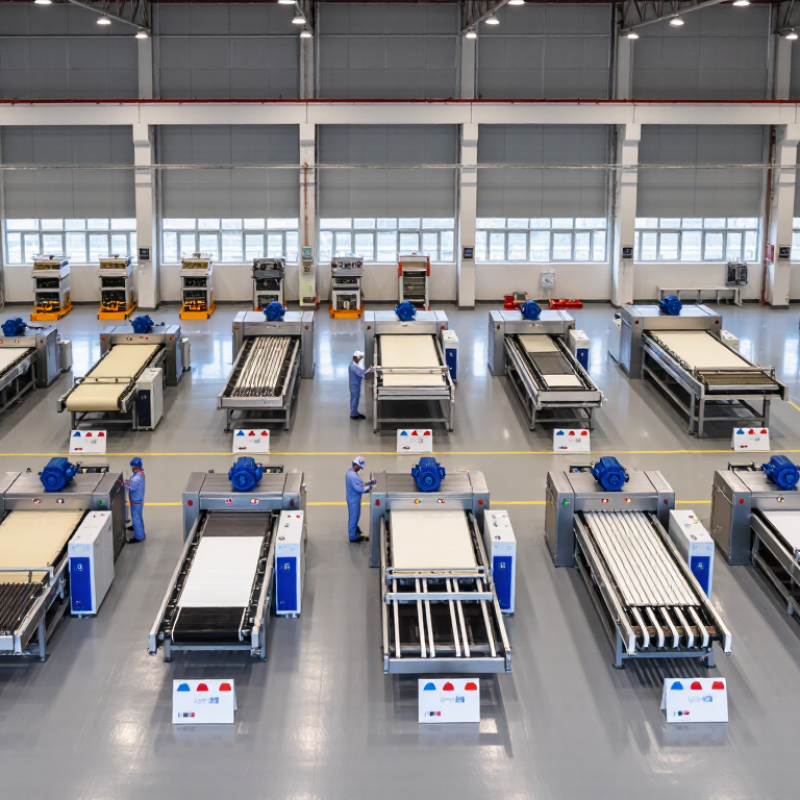
Sludge dewatering equipment removes water from wastewater sludge, reducing its volume and handling cost. It separates liquid from concentrated solids through pressure, gravity, centrifugal force, or filtration. Common systems include belt filter presses, screw presses, centrifuges, and plate-and-frame filter presses.
A belt press suits steady municipal flows and allows visual inspection during operation. A screw press usually consumes less wash water and handles variable feed conditions.
Centrifuges provide compact treatment, but they may require more electricity and careful vibration control. Plate presses can produce drier cakes, although their batch operation needs more labor.
Dewatered sludge weighs less, occupies less storage space, and costs less to transport. A cake with 20–30% solids can be much easier to load than liquid sludge. The right result depends on polymer selection, feed concentration, temperature, and machine settings.
Operators should perform jar tests before approving a system. Small changes in polymer dosage can affect cake dryness significantly. Real wastewater rarely behaves like laboratory sludge. That matters.
From practical evaluations, reliable suppliers should offer pilot testing, clear capacity data, corrosion-resistant materials, and accessible maintenance support. Buyers in China should request operating records from similar plants, not only catalog figures.
Energy use, wash-water demand, noise, and spare-part availability also deserve attention.
No machine is perfect. A system may achieve excellent dryness but require skilled operators, while a simpler unit may produce wetter cake with fewer maintenance concerns.
How to Evaluate China’s Sludge Dewatering Equipment Suppliers
China’s wastewater sector is large, but supplier quality varies sharply. The China Statistical Yearbook 2023 recorded more than 60 billion cubic meters of urban wastewater treated in 2022. This volume creates substantial sludge handling pressure. The UN World Water Development Report states that over 80% of global wastewater is released without adequate treatment. Therefore, equipment selection should focus on verified performance, not factory size or website claims.
Ask suppliers for recent test records using sludge similar to yours. Check feed solids, polymer dosage, cake dryness, throughput, power use, and filtrate quality. A reliable supplier should provide mass-balance calculations and explain every testing condition. Visit an operating installation if possible. Observe noise, vibration, wash-water use, and operator workload. ISO 9001 certification can support process control, but it cannot replace field evidence. In my experience, quoted cake dryness is often optimistic. Seasonal sludge changes may reduce it.
Tips: Request a small pilot test before signing a large contract. Compare at least three suppliers using identical sludge samples. Review spare-part lead times, corrosion protection, control-system access, and local service capacity. Ask for twelve months of operating data, not only laboratory results. Energy figures need careful checking, because some suppliers exclude polymer preparation and auxiliary pumps. A lower purchase price may become expensive after repeated maintenance.
Typical final cake solids vary by sludge type, polymer conditioning, feed concentration, and operating settings. Use these engineering benchmarks to compare technical proposals from Chinese suppliers, rather than evaluating suppliers by price alone.
China’s Top 10 Sludge Dewatering Equipment Suppliers should be judged by performance, not advertising claims.
Reliable suppliers usually provide belt filter presses, screw presses, or centrifuges for different sludge conditions. Their equipment should show stable cake dryness, low polymer use, and manageable power consumption. Factory testing records matter. So do installation experience and after-sales response.
During supplier evaluation, request recent project data from wastewater plants, not only laboratory results. Check stainless-steel grades, bearing protection, control-panel quality, and spare-part availability. A practical supplier can explain how the machine handles oily sludge, fine particles, and sudden flow changes. Ask for a pilot test using your own sludge.
Small details matter. I have seen promising specifications fail when sludge concentration changed unexpectedly. That risk deserves honest discussion.
Tips: Compare actual cake moisture, throughput, and polymer cost. Confirm testing conditions in writing. Visit a working installation if possible. Do not select the lowest quote too quickly. A cheaper machine may require more cleaning, labor, and replacement parts. Also check training documents and remote-support procedures. Supplier rankings can shift as projects, service teams, and technology improve. That makes independent verification necessary.
China’s top sludge dewatering equipment suppliers increasingly offer complete treatment lines, not single machines. China Urban Construction Statistical Yearbook 2022 reports urban wastewater treatment capacity above 200 million cubic metres per day. That scale creates constant demand for reliable solids separation, polymer dosing, and cake transport.
Belt filter presses remain practical for medium and large plants. They provide continuous operation and relatively simple maintenance. Centrifugal dewatering machines deliver higher automation and smaller footprints, but their power demand can be significant. Screw presses suit smaller facilities and sites requiring quieter operation. Plate-and-frame presses can produce drier cakes, although batch cycles slow production. Some suppliers also integrate thermal drying, lime conditioning, sludge screening, and odor control.
The technology choice depends on sludge type. Municipal sludge, industrial sludge, and digested sludge behave differently. Global Water Intelligence’s Global Water Market 2024 identifies energy efficiency and residuals management as major water-sector cost pressures. Suppliers now promote variable-frequency drives, automatic polymer control, remote monitoring, and low-water cleaning systems. These features sound impressive. Field results can differ.
A realistic selection should compare cake dryness, polymer use, electricity consumption, noise, and maintenance hours. Test the actual sludge. Laboratory data alone may mislead. A compact screw press may outperform a centrifuge when staffing is limited. However, operators sometimes underestimate feed variability, which can quickly reduce performance.
The supplier identities are intentionally anonymized. The comparison below summarizes common equipment configurations and typical published design ranges used by Chinese sludge-dewatering equipment manufacturers; actual performance depends on sludge characteristics, polymer selection, feed concentration, and operating conditions.
| Rank | Supplier ID | Primary Equipment Types | Key Technologies Offered | Typical Capacity (m³/h) |
Typical Feed Solids (%) |
Typical Cake Solids (%) |
Typical Power (kW) |
Automation Features |
|---|---|---|---|---|---|---|---|---|
| 1 | Supplier 01 | Belt filter presses; sludge thickeners |
Gravity thickening, flocculation control, multi-stage belt washing, automatic belt tracking | 3–30 | 0.5–4.0 | 18–28 | 2.2–15 | PLC control, overload protection, automatic belt tensioning |
| 2 | Supplier 02 | Recessed-chamber filter presses; membrane filter presses |
High-pressure filtration, diaphragm squeezing, automatic plate shifting, drip-tray collection | 1–20 | 1.0–8.0 | 30–45 | 3–30 | Hydraulic pressure control, cake discharge sequencing, safety interlocks |
| 3 | Supplier 03 | Progressive-cavity screw presses; integrated thickening units |
Low-speed screw conveying, gravity drainage, variable-speed drive, compact odor-controlled design | 1–15 | 0.5–5.0 | 18–30 | 1.5–11 | Automatic back-pressure adjustment, torque monitoring, timed washing |
| 4 | Supplier 04 | Decanter centrifuges; centrifugal thickening systems |
High-speed centrifugal separation, adjustable differential speed, wear-resistant scroll assemblies | 5–80 | 1.0–6.0 | 20–32 | 30–160 | Vibration monitoring, differential-speed control, automatic lubrication options |
| 5 | Supplier 05 | Rotary drum thickeners; drum-type dewatering presses |
Rotating screen filtration, internal spray washing, polymer-assisted thickening, enclosed operation | 2–35 | 0.5–3.0 | 15–25 | 1.5–18.5 | Automatic spray cycles, level control, variable-frequency drive |
| 6 | Supplier 06 | Belt presses; belt thickener and press combinations |
Dual-zone dewatering, wedge preloading, pneumatic belt tensioning, optimized wash-water recycling | 5–50 | 0.8–5.0 | 18–30 | 4–30 | Automatic belt deviation correction, emergency stop system, remote alarms |
| 7 | Supplier 07 | Multiplate screw presses; small-scale packaged systems |
Self-cleaning moving rings, low-wash-water operation, integrated polymer dosing and sludge mixing | 0.5–12 | 0.5–4.0 | 18–28 | 0.75–7.5 | Compact PLC panel, automatic flushing, screw torque protection |
| 8 | Supplier 08 | Filter presses; high-pressure plate-and-frame systems |
Programmable filtration cycles, recessed plates, high-pressure closing systems, cloth washing | 1–25 | 1.0–10.0 | 30–50 | 4–45 | Automatic plate opening, hydraulic pressure monitoring, batch-cycle control |
| 9 | Supplier 09 | Integrated DAF and sludge-dewatering systems; belt presses |
Dissolved-air flotation thickening, chemical conditioning, dissolved-air recycle, belt pressing | 3–40 | 0.3–3.0 | 16–27 | 5.5–37 | Flow-paced polymer dosing, pressure control, skimmer and belt interlocks |
| 10 | Supplier 10 | Containerized dewatering plants; mobile screw presses |
Skid-mounted systems, rapid installation, modular sludge conditioning, integrated cake conveyors | 0.5–20 | 0.5–5.0 | 18–32 | 2.2–22 | Containerized MCC, touchscreen HMI, remote fault reporting, automatic wash cycles |
| Technical note: Capacity values are indicative hydraulic ranges rather than guaranteed throughput. Cake-solids performance varies with sludge type, including municipal, industrial, biological, and chemically conditioned sludge. Centrifuges generally require more electrical power, while screw presses typically use less wash water and operate at lower rotational speeds. | ||||||||
Choosing among China’s top sludge dewatering equipment suppliers requires more than comparing prices. Start with your sludge data: daily volume, solids content, temperature, particle size, and target cake moisture. A supplier should request these details before recommending a machine. If the sales team offers a standard model immediately, be cautious.
Ask for a witnessed pilot test using your actual sludge. Record polymer dosage, feed pressure, cake dryness, power use, and wash-water demand. Small differences become expensive after months of operation. Request drawings, component specifications, control logic, and a clear list of included parts.
A low quotation may exclude pumps, dosing systems, installation, or spare screens. That mistake is common.
Check the supplier’s manufacturing capacity, quality records, export experience, and technical staff. Factory photos are not enough. Review similar projects and contact at least two end users. Confirm inspection procedures before shipment, including welding checks, electrical testing, and performance acceptance. Communication also matters. Can the supplier explain problems in practical English and respond within one working day?
My own evaluation would not rely on a polished catalogue; real sludge behaves badly, and laboratory results can be too optimistic. Ask about spare-part availability, remote support, commissioning, and operator training. Put every promised parameter into the contract, because trust without written details is fragile.
The supplier should ask about daily volume, solids content, temperature, particle size, and target cake moisture. These details guide machine selection. A standard recommendation without data deserves caution.
A pilot test shows how the machine handles your actual sludge. Record polymer dosage, feed pressure, cake dryness, power use, and wash-water demand. Laboratory sludge may behave differently. That difference can become expensive.
Request recent test records using sludge similar to yours. Check throughput, cake dryness, filtrate quality, power use, and polymer consumption. Ask for twelve months of operating data when possible. One test is not enough.
Visit an operating installation if possible. Observe noise, vibration, wash-water use, and operator workload. Contact at least two end users with similar projects. Factory photographs prove very little.
Review whether pumps, dosing systems, installation, controls, and spare screens are included. Ask for drawings, component specifications, and control logic. Low prices may hide important exclusions. That mistake is common.
Certification can support process control, but it cannot replace field evidence. Review welding checks, electrical testing, and shipment inspection procedures. Operating data matters more than polished paperwork. Still, paperwork helps.
Check polymer preparation, auxiliary pumps, wash-water use, electricity, and replacement parts. Some energy figures exclude supporting equipment. Ask about spare-part lead times and corrosion protection. The cheapest machine may cost more later.
Put promised throughput, cake dryness, power use, and service duties into the contract. Define commissioning, operator training, remote support, and performance acceptance. Confirm response times for technical problems. Trust alone is fragile.
This guide introduces Sludge Dewatering equipment, explaining how it separates water from sludge to reduce volume, lower transportation and disposal costs, and improve handling efficiency in municipal, industrial, and environmental applications. It outlines the main evaluation criteria for China’s suppliers, including equipment performance, processing capacity, energy consumption, automation, material quality, customization, technical support, delivery capability, and after-sales service. The article also presents a practical overview of China’s top 10 Sludge Dewatering equipment suppliers without focusing on brand promotion, helping readers understand the strengths and specialties commonly found in the market.
In addition, the guide compares key technologies such as filter presses, belt filter presses, screw presses, centrifuges, and integrated sludge treatment systems. It explains how factors including sludge characteristics, moisture requirements, operating conditions, site limitations, budget, and maintenance resources should influence supplier selection. By using a structured comparison and requesting clear technical documentation, testing, warranty terms, and lifecycle cost information, buyers can choose a reliable Chinese supplier that matches their project goals and supports stable long-term operation.

Oubo Chemical