China’s wastewater-treatment equipment sector serves cities, factories, and smaller communities facing stricter water-quality demands. Yet choosing a supplier is not just a price comparison. Buyers must examine process design, operating costs, automation, spare-parts access, and after-sales support. A stainless-steel screen or membrane skid may look convincing in a showroom; performance over years matters more.
The need is measurable. UN-Water’s 2024 wastewater update reports that 42% of household wastewater generated worldwide in 2022 was not safely treated. That figure highlights the work ahead. For China’s suppliers, it also makes reliable treatment capacity and clear performance data essential. Professor Asit K. Biswas, a water-policy scholar, has emphasized a useful principle: wastewater can be treated as a resource, not merely a disposal problem. This outlook supports technologies that enable reuse, while still requiring careful attention to local water quality and operating conditions.
This guide introduces leading China-based Waste Water Treatment equipment suppliers and the capabilities buyers should assess. It considers equipment range, project experience, technical documentation, and service readiness—not just catalogue claims. Look closely at the details: influent variability, sludge handling, energy use, and commissioning plans. No single supplier fits every project. And a polished brochure is not proof. Supplier information and performance claims should be verified against project requirements; this guide is a starting point, not a substitute for technical due diligence.
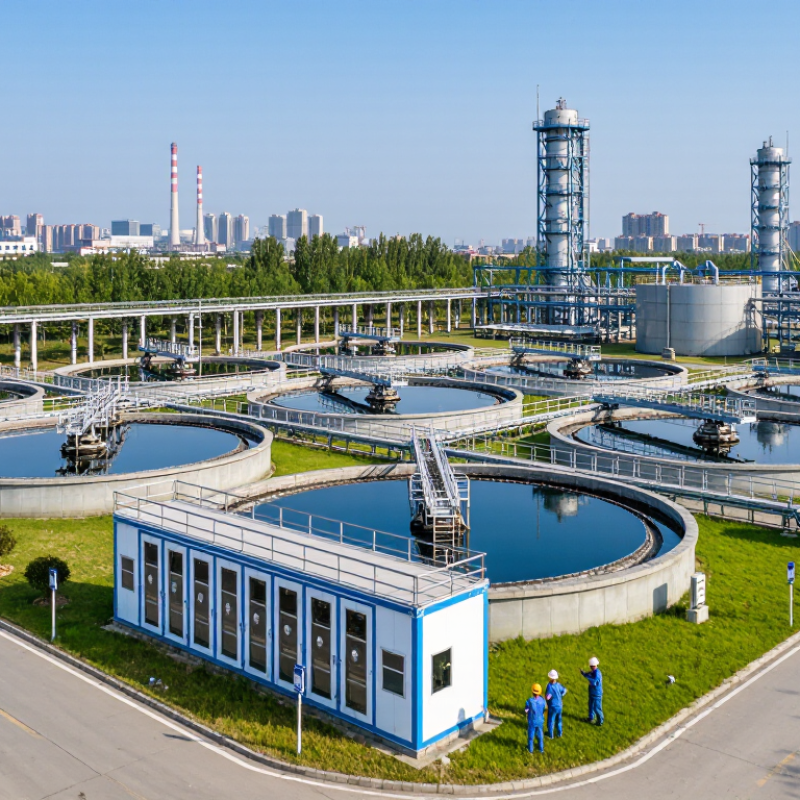
China’s wastewater treatment equipment supplier landscape is shaped by expanding municipal networks and diverse industrial needs. Suppliers typically provide screening, biological treatment, membrane systems, sludge handling, and monitoring equipment. China’s Ministry of Housing and Urban-Rural Development reported a 98.1% urban wastewater treatment rate in 2022. That figure signals a mature municipal market, but it does not show whether every facility meets local capacity or effluent needs. Site conditions matter.
The UN World Water Development Report 2017 estimated that over 80% of wastewater worldwide was discharged without adequate treatment. This global gap helps explain demand for reliable treatment solutions, including upgrades to older plants and decentralized systems. Buyers should compare verified flow capacity, energy use, process stability, spare-parts access, and commissioning support. Ask for performance data from projects with similar influent quality. A brochure is not enough. I would also scrutinize claims that omit operating conditions; supplier comparisons can look precise while hiding important differences.
Tips: Request a site-specific process design, not just an equipment list. Check how the system handles seasonal flow changes, sludge removal, and routine maintenance. Small details matter. A clear service plan can prevent costly downtime.
Wastewater treatment equipment works as a connected process, not a collection of isolated machines. Bar screens catch rags, plastics, and other large debris before it reaches pumps. Grit chambers remove sand and small stones that can wear down moving parts. Simple, but essential. Equalization tanks then soften sudden changes in flow and pollutant strength, helping downstream equipment operate more steadily.
Biological treatment systems use microorganisms to break down organic matter. Aeration blowers supply oxygen, while diffusers spread fine bubbles through the tank. A practical check is whether the air reaches the tank evenly; dead zones can reduce treatment performance. Clarifiers separate settled biological solids from treated water. Sludge pumps and dewatering units, such as belt presses or centrifuges, reduce sludge volume for handling. These machines need regular inspection. Small leaks and blocked lines are easy to overlook.
Filtration and disinfection provide additional treatment when the required water quality calls for them. Sand or membrane filters capture remaining particles, while ultraviolet systems or controlled chemical dosing reduce pathogens. Instruments for flow, dissolved oxygen, and turbidity help operators spot changes early. No single equipment list fits every site. Influent tests, daily flow patterns, available space, and maintenance skills all matter. Equipment can look suitable on paper and still perform poorly when cleaning access or spare parts were not considered.
China’s wastewater treatment equipment suppliers vary in how they turn process requirements into working systems. Capable teams begin with influent testing, flow records, and discharge targets, rather than selecting equipment from a standard catalog. Design details matter: tank dimensions, pump access, pipe routes, and space for future maintenance can shape daily operation. A useful proposal explains why each treatment stage is included and what assumptions support its sizing.
Manufacturing capability shows in material selection, weld quality, coating, and documented inspections. Buyers can ask for fabrication drawings, component specifications, and factory test records. Integration is equally important. Screens, pumps, biological treatment units, controls, and sludge handling must work together under changing loads. Clear control logic and accessible sensors help operators identify faults before they become costly interruptions. Site conditions can still expose gaps. A layout that looks tidy on paper may leave little room to remove a pump. That deserves a second look.
Tips: Share representative water test results and peak-flow data before requesting a quotation. Ask who coordinates installation, commissioning, and operator training. Check how suppliers handle design changes; even experienced teams may overlook a site constraint.
China’s wastewater treatment equipment suppliers serve factories, municipalities, and smaller commercial sites. Food-processing plants often need screening and biological treatment to manage wash water containing oils, solids, and changing organic loads. Textile facilities may require color removal alongside filtration, since visible clarity does not always indicate adequate treatment. Different challenge.
Municipal projects commonly use systems for sewage collection, primary settling, biological treatment, and sludge handling. In industrial parks, compact treatment units can help individual workshops pretreat wastewater before it enters shared facilities. Hospitals, hotels, and campuses also need reliable systems that handle daily flow changes. A design suited to steady use may struggle during peak hours. Buyers should compare equipment against actual influent tests, operating conditions, and discharge targets, rather than relying on rated capacity alone.
Tips: Ask suppliers for process-flow diagrams, material specifications, and commissioning plans. Check how operators will monitor dissolved oxygen, sludge levels, and pump performance. Request references from similar applications, not just general project lists. A site visit can reveal maintenance access and noise issues that brochures omit. Even a well-designed system needs trained operators and regular testing. Small details matter.
Choosing a wastewater treatment equipment supplier starts with understanding your own water. Record daily flow, peak loads, temperature, and changes in influent quality. A supplier should ask for these details before recommending screens, pumps, biological treatment, or filtration. Specific questions matter. Vague promises do not.
Review evidence from projects handling wastewater similar to yours. Ask how the equipment performs during seasonal flow changes, and request operating data where available. Check the proposed layout, energy use, sludge handling, and access for routine maintenance. A clear commissioning plan helps operators learn the system before handover. Visit a working installation if practical. Photos alone tell little.
Compare more than the purchase price. Confirm which spare parts are stocked, how quickly technical support responds, and whether manuals include clear maintenance intervals. Ask for warranty terms and written performance assumptions. No supplier can responsibly promise results without reliable influent data and defined operating conditions. A polished proposal may still miss a difficult site detail, such as limited space for sludge storage. That deserves another conversation. Examine the full offer carefully, and keep room to revise assumptions as better site information becomes available.
Bar screens catch rags and plastics, while grit chambers remove sand and small stones. Equalization tanks steady changing flows. Simple, but essential.
Microorganisms break down organic matter. Blowers supply oxygen, and diffusers spread bubbles through the tank. Check for areas where air does not reach evenly.
Clarifiers separate settled biological solids from treated water. Sludge pumps and presses reduce sludge volume. Small leaks matter.
Sand or membrane filters capture remaining particles. Ultraviolet systems or controlled chemical dosing can reduce pathogens when water-quality targets require them.
Food-processing plants may need to manage oily wash water and changing organic loads. Textile facilities may need color removal. Clear water is not always adequately treated.
Share daily flow, peak loads, temperature, and influent test results. Compare these with discharge targets and operating conditions, not rated capacity alone.
Request a process-flow diagram, material specifications, commissioning plan, and references from similar projects. A site visit can reveal noise or tight maintenance access.
Confirm spare-part availability, support response times, warranty terms, and maintenance intervals. A polished proposal can still miss sludge storage space. Recheck the assumptions.
China’s Waste Water Treatment equipment supplier landscape includes manufacturers with different strengths in process engineering, equipment production, and project integration. Common offerings include screening and separation units, biological treatment systems, clarification equipment, filtration devices, sludge handling solutions, and disinfection systems. Each category supports a different stage of treatment, from removing larger solids and reducing pollutants to polishing treated water for reuse or discharge. Suppliers may provide individual machines or coordinated systems designed around a project’s capacity, wastewater characteristics, and operating requirements.
Chinese suppliers serve applications across municipal services, manufacturing, food processing, pharmaceuticals, agriculture, and other industries. When evaluating a supplier, buyers should consider technical design capabilities, manufacturing quality, system compatibility, energy use, customization, installation support, and access to maintenance and spare parts. A careful comparison of these factors can help identify a solution that meets treatment objectives, fits site conditions, and remains reliable over its intended service life.

Oubo Chemical